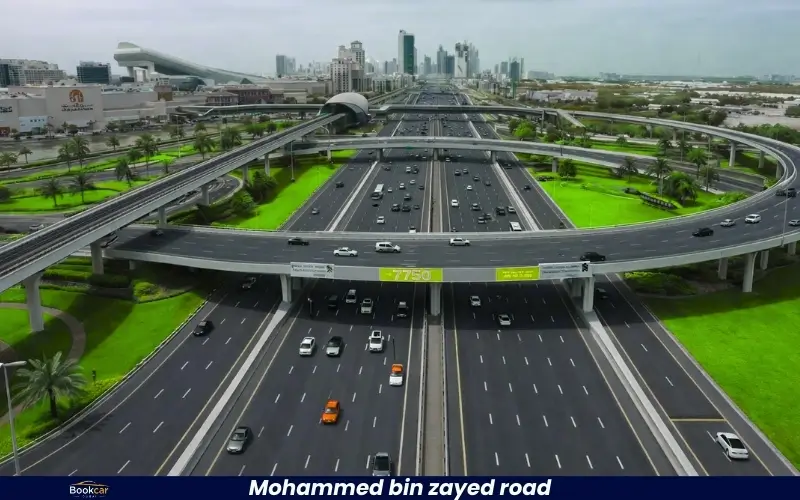

This highway is among the most searched-for roads because it allows for the daily movements of thousands of people, professionals as well as logistics professionals. People typically look for it to get clarity on routes, near residential zones and industrial access points or connectivity to other highways. It’s also a common question for those moving or planning long journeys, or managing delivery-related businesses that rely on the availability of roads. What is important about this road isn’t luxury branding or tourist attractions rather, reliability in coverage, scale.
It is a network of multiple urban and suburban zones connecting residential zones as well as industrial clusters and areas of service that people come in contact with on a daily basis. It is a popular choice for many people because it helps reduce stress on travel because it offers alternative transportation options to more busy, older routes. Another reason why it is so popular is its practical approach to problem solving. People look for it to find out about traffic flow exits, fuel stations nearby and hospitals, schools or commercial facilities. It is simple to say that this route is important because the daily routine depends on it, whether someone is driving to work, coordinating logistics or deciding on a location to live in that balances accessibility and affordability.
Mohammed bin zayed road – Complete Practical Overview
The highway serves as an important backbone route that is specifically designed for large-capacity, long-distance urban mobility, rather than the short journeys that are common in inner cities. It is renowned for its large lanes, well-organized exits and a smooth, consistent driving experience over long distances. Contrary to roads that were designed for tourist destinations or business districts the one that is used for this one serves workers, industrial transport as well as residential connectivity.
One of the best features of this highway is that it permits drivers to avoid city congestion, while staying connected to the essential zones. It is parallel to the other major highways, giving drivers the flexibility to move in times of increased traffic. Due to this design function it is commonly employed by logistics companies as well as school transport fleets and other professionals with scheduled daily schedules.
Residential Areas Connected to the Road
Living near the highway is typically a strategic choice rather than a luxurious one. The most important factors for residents are accessibility as well as commute time and affordability. The communities around this road usually deliver to those standards. These neighborhoods typically have mid-rise apartments and gated villa communities and mixed-use zones to meet the daily demands of residents without relying heavily on transportation to the city center.
Families typically choose these places because clinics, schools, parks, and supermarkets are easily accessible by car. Professionals who work in industrial areas or distributed office areas benefit from shorter commute durations. Another benefit is the accessibility to parking and a comparatively calmer inner road in comparison with central district.
Common benefits of a home are:
- Access to numerous highways without having to travel through congested zones
- Lower rental pressure when compared with the most expensive corridors
- Close proximity to hospitals, schools and retail clusters
- Ideal for families as well as long-term residents
This balance means that the demand for residential housing along the roads is stable and is driven by real-life requirements instead of seasonal trends.
Industrial Zones, Business Parks, and Logistics Access
mohammed bin zayed Road plays a significant part in facilitating commercial and industrial movement. A lot of factories, warehouses, as well as distribution centres are placed along the road or close to it to help reduce delays in transport. The road’s layout allows for heavy vehicles to move along without disrupting the residential traffic.
Businesses often look for this route when they are planning warehouse locations or routes for delivery. Its connectivity can help reduce fuel expenses, enhance delivery timeframes and simplify transportation of vehicles. For businesses that are service-oriented employees also have the ability to travel between different homes without having to rely on a single, congested route.
The most important advantages for companies are:
- Direct connection to industrial districts
- Reduced bottlenecks in heavy vehicles
- Speedier inter-emirate travel with no congestion in the inner city
- Access to reliable supply chains and logistics
This is the reason commercial development continues to grow along the corridor, enhancing its function as a support for the economy.
Fuel Stations, Vehicle Services, and Travel Convenience
For commuters who travel long distances as well as commercial drivers access to car services isn’t a luxury, but vital. The highway is backed by a continuous supply of gasoline stations and car washes, tire shops as well as the emergency services points. These facilities are strategically located to minimize unnecessary detours.
Many drivers appreciate the fact that stations for fuel along the route offer restrooms, convenience stores and quick-service options for food. This makes the road ideal for daily usage especially for people who cover vast distances or coordinate deliveries.
Common services in close proximity include:
- Fuel stations that have numerous entry and exit points.
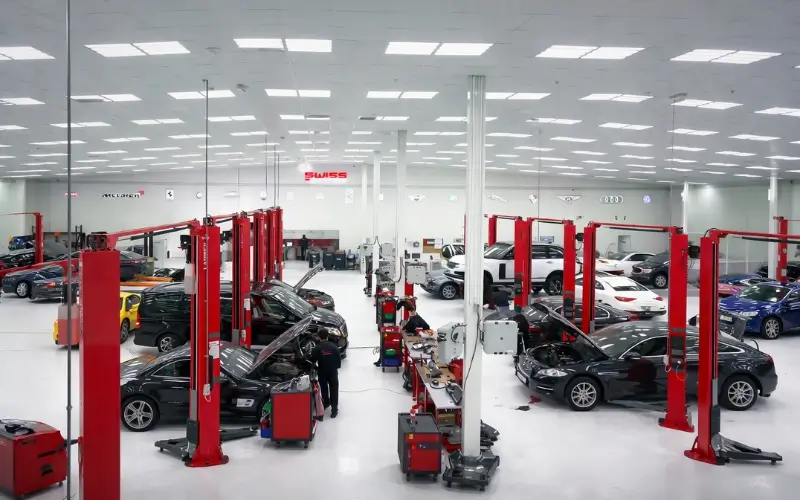
- Tire replacement and vehicle inspection centers
- 24 hour convenience stores
- Access to roadside assistance in emergency situations
These characteristics change the street from being a basic transport route into a reliable everyday-use route.
Healthcare, Schools, and Essential Services Nearby
Another reason that people look for information on this route is the accessibility to the essential services. Clinics and diagnostic centers, hospitals and pharmacies are scattered in the nearby areas providing healthcare access for workers and residents alike.
The educational institutions play a part in traffic patterns. Numerous school buses utilize this route to connect neighborhoods with campuses that are located in quieter areas. Parents frequently consider road accessibility prior to deciding on schools and this route allows for regular travel times in peak times.
The most essential services that are typically located nearby are:
- General hospitals and special clinics
- Schools with multi-curricula
- Government service centers
- Retail outlets, supermarkets and wholesale stores
This network of services decreases dependence on city centers and also helps to build self-contained communities around the highway.
Traffic Flow, Peak Hours, and Driving Experience
Traffic conduct on the road is predictable. The peak hours typically coincide with the standard office hours however, congestion is more evenly distributed than inner-city roads. This is due to the fact that traffic can be spread out across several exits, rather than converging into one commercial hub.
Drivers appreciate the road’s strict road structure and clear visibility. Longer stretches of roads without traffic signals facilitate smoother travel while exits are set to avoid abrupt brakes. In peak times, automobiles are more frequent, but the width of the lane helps to keep traffic flowing.
Common driving characteristics include:
- Limits of speed that are stable over long distances
- Clear exit signs are in place at least a few days in advance
- Lower pedestrian interference
- Fewer sudden merges when compared to urban roads
For commuters on a regular basis this predictability helps reduce the stress of travel and mental fatigue.
Comparison to Sheikh Zayed Road
If you compare this highway to Sheikh Zayed Road, the distinction lies in the purpose instead of quality. Sheikh Zayed Road is heavily commercialized, and is lined with office buildings, landmarks, and tourist spots. However, this road concentrates on mobility efficiency and connectivity to the internet.
Drivers who would prefer less visual distractions and a smoother long-distance travel frequently take this route. Although Sheikh Zayed Road offers prestige and visibility, it has a higher volume of traffic and frequent delays.
Practically speaking this road caters to people who appreciate consistency in time as well as Sheikh Zayed Road caters to the needs of business and central accessibility. A lot of commuters alternate between these two roads based on the time of day and their destination.
Access to shopping destinations and lifestyle access
The convenience of lifestyle and retail has been growing steadily along this stretch of. Shopping centers of all sizes are situated near interchanges, which allows ease of access and without the need for having to travel through a city’s deep entrance. These malls service residential areas and provide meals, groceries, entertainment, and all the essential services in one place.
Smaller retail clusters of community retailers offer cafés, salons, pharmacies as well as stores for daily use. This means that there is less necessity for lengthy trips to central areas. Families that live close to each other can run their errands quickly, thereby saving time on weekdays.
To take advantage of broader shopping opportunities in the city or trips for leisure Many residents utilize this route to link to Sheikh Zayed Road, which has high-density stores, hotels and business destinations.
Why People Search for This Road So Often
The desire to search for this information is usually based on real-world requirements, not from simply curiosity. People search for it when moving houses, changing jobs, coordinating delivery routes or planning daily commutes. It’s also often found in listings for rental properties, job descriptions of locations, as well as logistics planning tools.
Another reason for this is the need to solve problems. Drivers seek out traffic rules, exits or other nearby facilities, when they are planning routes that are unfamiliar. Businesses seek it out to determine warehouse locations, while families are looking to evaluate the lifestyle fit.
In essence, they happen due to the fact that roads solve the problems of mobility for everyone and not because it’s visually appealing.
Practical Overview of Road Usage
| Aspect | Practical Benefit |
| Access to the residential area | Timelier commutes |
| Industrial connectivity | Faster logistics movement |
| Services and fuel | Detours reduced |
| Traffic structure | Predictable driving |
| Access to facilities | Self-sufficient zones |
Long-Term Importance and Urban Planning Role
From the perspective of urban planning it is an example of the decentralization of urban planning. Instead of directing all traffic across central areas of business it distributes traffic through wider areas. This alleviates pressure on the older infrastructure and encourages an even growth rate for the city.
As new industrial and residential developments are created and new industrial developments are built, the importance of the road will continue to grow. The design of the road allows for expansion without causing major disruption, which makes it able to meet future needs.
This approach of planning long-term is what makes the road operational even as surrounding zones change. It was not built solely for the current demands and requirements, but also for continuous everyday use for decades.
Final Summary
The highway is distinguished not for its style however, it is because of its reliability. It is able to meet the needs of real-time living – housing and work, logistics and other essential services without unnecessary complexity. The increasing importance of it reflects the way modern urban living is a fan of efficiency over beauty which makes it among the most useful roads in the region.
FAQs
Does this road suit regular long-distance commutes?
It’s made for smooth travel over long distances with less interruptions.
Are the residential areas close to the road a family-friendly zone?
Nearby communities tend to focus on the practical aspect of life, including schools as well as clinics and parks.
Are heavy vehicle traffic and congestion affecting daily driving?
The presence of heavy vehicles is evident however roads and lane width minimize the amount of disruption.
Are there fuel stations readily available along this route?
Yes, both vehicle and fuel services are easily accessible throughout major sections.
Does this road have more advantages than the central highways in terms of logistics?
For delivery and logistics it is often better consistency in travel time.
Do new drivers safely take this road?
Clear indications and a consistent flow of traffic make it ideal for drivers with less experience.