DAScenter stands out from other UAE car service centers
It is not just about convenience

It is not just about convenience
Dubai Metro has grown to be

Dubai has a tremendous skyline and
Traffic-related issues are an essential part
You’ve probably noticed a small dent

This is not a later issue
Reliability of cars is crucial to
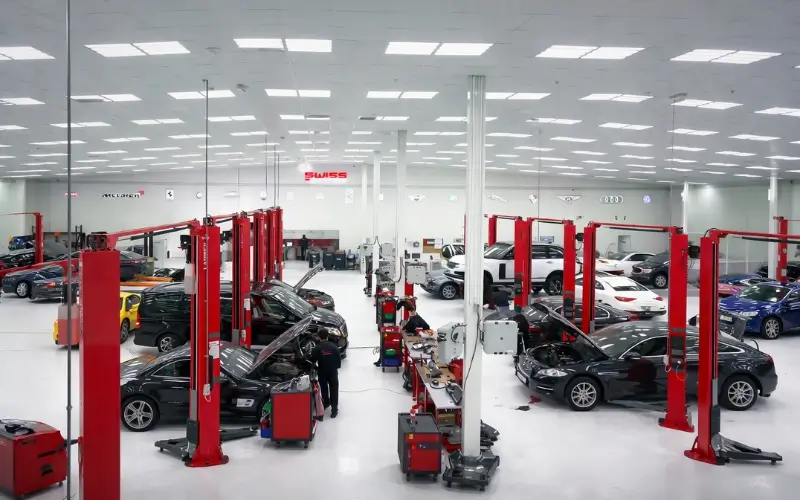
It is not just about convenience when you are looking for the best car service in Dubai. You also want to make sure that your vehicle is being trusted with your most important daily needs. How can you tell if the car service center in the UAE cares for your vehicle? Auto maintenance in Dubai is a necessity, not a luxury. With more than 3.5 million vehicles on the roads of Dubai, it’s a fast-paced world. car servicing in Dubai has a good reputation in Dubai. DAScenter is one of the best options. What makes DAScenter stand out among other car service centres in the UAE? Let us explore! Focus on the Customer The customer is the foundation of any great service. The best automotive service centers understand that car owners need more than just their vehicles fixed. They need peace of mind. What is an excellent customer-first strategy? Communication before and after the service. Transparency of billing Booking systems that are easy to use Service staff that are friendly and can solve complex problems. It was discovered that 86% of customers are willing to pay more for better service. This shows how important trust is in the automotive service industry. DAScenter, for example, focuses on building trust by providing honest service and effective communication. Using Modern Technology to Train Skilled Technicians With the advent of hybrid engines and advanced sensors, today’s automobiles are smarter than ever. The following are the investments made by a top-notch service provider: Highly skilled technicians Continuous training programs Experience different brands of cars in person You can rest assured that no matter if you own a sedan or SUV, your car is in the best of hands. Advanced Diagnostic Technology You no longer have to guess what’s wrong with your car. Modern diagnostic technology allows for a quick and accurate diagnosis of car problems. DAScenter uses advanced computerized tools for fault detection. The best service centres have: Computerized diagnostics Real-time performance analysis Digital Inspection Reports It not only saves you time, but it also prevents small problems from becoming costly repairs. Effective diagnostics today can reduce repair time up to 30%. This is ideal for car owners who are busy. All Services Available Under One Roof No one wants to visit different locations for different car problems. Professional auto service centers should include: Regular maintenance (oil change, filters) Repairing brakes, suspensions and securing the vehicle AC Maintenance Engine diagnostics Electrical system repairs Tire services DAScenter offers all these services in one place, saving time for drivers and making car maintenance in Dubai convenient. Focus on preventive maintenance Smart car owners know that prevention is better than cure. Imagine you’re driving in Dubai on a hot, humid day. The air conditioner in your car suddenly stops working. What was supposed to be an easy fix becomes a stressful drive home as the temperature quickly rises. It can happen when you neglect regular maintenance. Top service centers recommend that you have regular exams for: Improving fuel efficiency. Increase the lifespan of your vehicle. Avoiding malfunctions A routine oil change, for example, can improve engine performance by as much as 10%. These centers educate customers to build relationships that last instead of only a single visit. Fast Turnaround without Cutting Corners In a metropolis as busy as Dubai, time is of the essence. The people expect to be back on the road quickly, without sacrificing any quality. What sets top service centers apart? Workflow systems that are efficient. Working together, a team of trained staff. Parts are available. They deliver quality without compromising speed. Genuine Parts and Quality Assurance Original parts are essential to the longevity of your vehicle. What are the top service centers focused on? Original or high-quality OEM components. Guaranteeing repairs is important. Checking for quality is a good idea. They can avoid problems from recurring and gain the trust of customers. Did you know? Did you know that using low-quality car parts can reduce the lifespan of your vehicle by as much as 20%? This is why quality is so important. Clean and Organized Facilities First impressions matter. The same is true of car services. Professional car service centers should: Keep waiting areas clean. Organised workspaces Safety features that are adequate An organized and neat workspace says a lot about the service center. This reflects the fact that your vehicle will receive the same treatment. 9. Transparent Digital Reports Today’s customers are highly tech-savvy. Customers today are tech-savvy. The most advanced car service centers have now: Digital inspection reports. Video and images of the problems. Tracking service history. Customers will feel more secure with this level of transparency and be able to make better decisions about their vehicles. Personalization is the key to a customer becoming a loyal client in a market where transactions are the norm. Customers Reviews and Strong Reputation In the digital era, reputation is more important than advertising. Customers may want to consider: Google Reviews Social media feedback Word-of-mouth recommendations. If a service centre has high ratings, it is doing something right. According to research, almost 90% of consumers trust online reviews just as much as they do word-of-mouth. Positive ratings for DAScenter speak volumes about its reliability. Enjoy a Personalized Service Experience Some service centers go the extra mile to make sure that each customer is treated as a royal. You can, for example: Create customized service plans for your customers. Reminding customers to service their equipment. Advice based on driving behavior. The personal touch is what makes the customer feel valued, and they will return. Read Also: Equiti Metro Station Dubai Final Thoughts Only a few car service centers in a highly competitive market like the UAE are able to differentiate themselves from the competition. It’s all about how they treat their customers, how well they use technology and how much they care about quality. DAScenter provides excellent customer care, modern facilities and a commitment of quality to make every visit easy and smooth. Next time
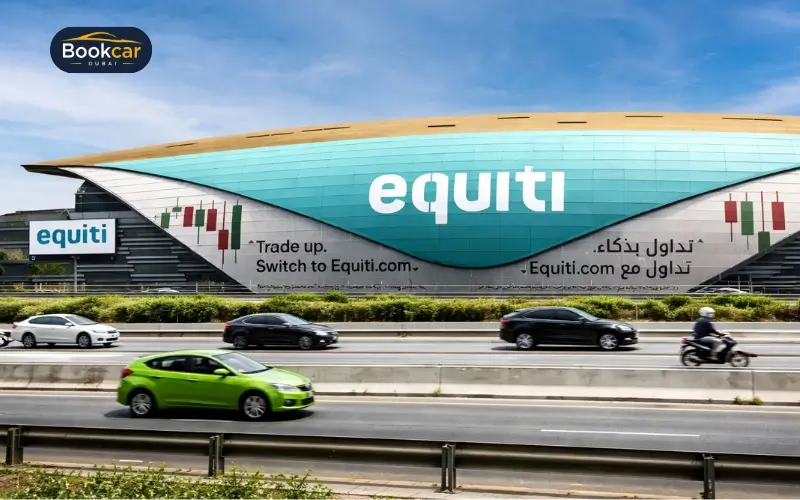
Dubai Metro has grown to be one of the world’s most efficient and reliable transportation systems. The network connects the key areas of Dubai through a well-managed and modern system. Equiti Metro Station is one of the most important stops along the Red Line. It plays an important role in facilitating daily travel for both residents and visitors. Station is located along Sheikh Zayed Road and offers direct access into several residential and business areas. It is a popular station for office workers, tourists, and students because of its central location. Equiti Metro Station used to be known as First Abu Dhabi Bank Metro Station, but was renamed as part of an agreement for naming rights in 2020. The station is a major hub for the Red Line network, and it handles many passengers each day. It also provides connections to the main parts of the city. It is therefore an important part of the Red Line. By understanding how the station operates, you can save time, avoid confusion and travel more efficiently. This guide offers detailed information on location, timings and nearby stations. It also includes practical travel tips. Equiti Metro Station Location and Overview Equiti Metro Station can be found on Sheikh Zayed Road. This is one of Dubai’s most important transportation corridors. The station is easily accessible as this road connects many districts. Umm Al Sheif and Al Quoz are nearby. These areas are well-known for their residential communities, office buildings, and commercial activity. This mix keeps the station busy all day. Equiti Metro Station’s strategic location ensures seamless connectivity to other modes of transport such as taxis and buses. The station is strategically located to allow passengers to reach their destination without any difficulty. Key Location Details Details You can find out more about this by clicking here. Station Name Equiti Metro Station Metro Line Red Line Location Sheikh Zayed Road Previous Name First Abu Dhabi Bank Metro Station Nearby Areas Umm Al Sheif, Al Quoz, Al Safa Authority Dubai RTA Equiti Metro Station is a convenient and reliable option for short- and long-distance trips. Metro Timings Schedule The Roads and Transport Authority has set up a timetable for the metro system. The timings of the metro system may be slightly different during public holidays. However, the overall schedule remains constant. Equiti Metro Station is a great place for commuters to use, as trains arrive frequently. This is especially true during rush hours. The waiting time is reduced and commuter efficiency increases. Operating Hours Day Timings Monday to Thursday 5:00 AM to 12:00 PM Saturday 5:00 AM to 1:00 AM Saturday 5:00 AM to 12:00 PM Sunday 8:00 AM to 12:00 PM Before traveling, it is recommended that you check the real-time timetables on official apps. Stations nearby and connectivity The Red Line links several important locations and the Equiti Metro Station allows easy travel both ways. Onpassive Metro Station is accessible to passengers traveling towards UAE Exchange and those heading toward Centrepoint. Transfers are quick as both stations are just a few minutes apart. The station is an important part of the Metro network because of its strong connectivity. The station allows passengers to travel around the city without having to plan complicated routes. Why Equiti Metro station is important Its accessibility and connectivity play a major role in the daily commute. The station connects business centers with residential areas, making it easier for people to travel. Key Benefits Sheikh Zayed Road is accessible by direct access Near residential and commercial areas Connectivity with nearby stations Transport option that is reliable for commuters Both residents and visitors will enjoy this property The importance of the station to the metro system is highlighted by these advantages. Transport and Accessibility Dubai’s public transport system is designed to be integrated. Equiti Metro Station is easily connected to buses, taxis and ride-hailing service. Feeder buses transport passengers to the station from nearby locations. Taxis are available for those who need to travel the last mile. Using this integration, passengers can travel smoothly and without delays. Facilities Available at Equiti Metro Station The station has been equipped with modern amenities to enhance passenger comfort. Equiti Metro Station provides services for both commuters on a daily basis and tourists. Passenger Facilities Ticket vending machines Nol card recharge systems Elevators and escalators Prayer rooms Seating areas Parking Lots Nearby food outlets Traveling is more comfortable and convenient with these features. Accessibility and Nearby Areas It is surrounded by important districts which rely on the station for their daily transportation. Umm Al Sheif has a residential focus, while Al Quoz has a commercial-industrial feel. Al Safa is a mixture of residential and recreational spaces. Equiti Metro Station offers easy access to these locations, which reduces travel time for commuters and improves efficiency. Services and Food Near the Station Near the station are several dining options, such as cafes, quick service restaurants, and convenience shops. The options available allow travelers to get a quick snack or meal before or after their trip. The Metro is more convenient to use with this option. Travel Tips to Make Your Journey Easy Planning ahead can make your trip more enjoyable and efficient. It is not difficult to navigate the Equiti Metro Station, but a few simple tips will make your trip more enjoyable. Useful Travel Tips Keep your Nol card charged Avoid peak times whenever possible Official apps are the best way to get live updates Follow metro safety guidelines Plan your route ahead These tips will help you to reduce travel delays and increase comfort. Safety and Cleanliness Standards Dubai Metro is renowned for its high standards of cleanliness and safety. The stations are cleaned regularly and strict rules to ensure passenger comfort are adhered to. Equiti Metro Station has surveillance systems in place and is managed by a trained staff. These measures ensure a safe environment for passengers. Conclusion: Equiti Metro Station, a vital part of the Red Line Metro network, offers strong connectivity
Dubai has a tremendous skyline and world class services, and offers at the highest end of the hospitality spectrum. No matter the reason for your visit, getting around the city a certain way can create a certain experience. In Dubai, getting a specific car isn’t just a matter of convenience. It’s a matter of making a statement. This is also why countless tourists have started car rental Dubai services to get to know the city. Audi is among the best options for luxury and premium car hire in Dubai because of its smooth operation, elegance, and new technology that is in trend, which is the reason to its growing popularity. If you are looking for a top notch experience in Dubai, you can get luxury and premium cars through our website. Experience Premium Comfort on Every Drive Dubai is known as a super driveable city. No matter if you were driving downtown, driving along Jumeirah Beach Road, or heading out to the desert, you will spend a good deal of time driving by choosing car rental Dubai luxury. This is the area that Audi leads among other companies. Audi is also specialized in offering luxurious features that will ensure the driving experience is as comfortable as possible. Audi is very keen in the detailing of the cabins, plush, and silent to an extent that you will feel as though you are at home. Standard cars make long trips feel tedious and boring. On the other hand, Audi’s engineering and construction are tailored to make every trip a pleasant experience. This is especially the case in Dubai where the distance between location and attractions can be a bit far. Audi is one of the choices in luxury car rent Dubai that makes it possible to remain comfortable during long trips while keeping you looking good. The Perfect Combination of Sportiness and Class The roads in Dubai are the best in the world because they are well constructed, maintained, and perfect for driving at high speeds. Dubai is a city of Audi cars and it is no wonder that they are one of the engineering world’s finest. They are equally as good for driving in the city as they are for driving on the open road. In case you are interested in enjoying the best in the world of driving luxury, then you will be glad to hear that there are plenty of high quality offers, most of them at Lavish Cars audi car hire dubai. Audi automobiles are a joy to drive and they will make any journey fun. All in all, you will feel like you are driving a sports car, thats how they are considered to be number 1 choice for exotic car rental Dubai experience. Audi’s are very comfortable to drive and allow you to focus on the drive and deal with the traffic. Make an Impression when Traveling for Business Dubai is a global business center and this is what people think of you. Coming to meetings and business gatherings in an Audi shows how professional and sophisticated you are. It demonstrates your attention to detail and focuses on quality. When choosing a car rental Dubai luxury service, it’s more than convenience. It’s a way of elevating and enhancing your personal brand. Business travelers want to look their best and Audi’s executive sedans offer the right look for business travelers to be perfectly understated without being too over the top. Perfect for Tourist’s Cars in Dubai Dubai is packed with fun activities and sites such as posh beaches, shopping malls and cultural sites. Car rental Dubai will give you the opportunity to see what you want, when you want. Audi will make your experience more pleasant. Finally, the alternative of dubai luxury car rental is the choice made by tourists. They desire to have the journey as much as the destination. The car will have modern features that will make the long drive enjoyable and stress free. You can be taken to the Burj Khalifa, Dubai Marina, and Palm Jumeirah by an Audi. Whatever your place of going, an Audi will guarantee you a classy ride. A Range of Models for Your Specifications The choice of Audi has a variety of models and this is one of the most important advantages of this choice. They offer sporty supercars to elegant sedans, and they suit everyone. In particular, rent audi r8 dubai, one can have some of the most thrilling experiences due to the amazing performance and the incomparable sleek designs. In the meantime, when you need something more practical and comfortable rent audi a6 in dubai and audi a6 rent in dubai provide an appropriate balance. The selection makes it easy to be at peace of mind because you will be able to select a car to reflect your needs, be it a romantic adventure, family vacation, or business trip. Exceptional Technology to make the experience great Drivability in a city like Dubai is a major consideration, and that’s where the premium technological features that Audi has to offer come to play. With user friendly systems, dashboards, and cutting edge safety systems, the Audi promise is to make every ride a memorable experience. Features that include virtual cockpits, adaptive cruise control, and intelligent GPS are just a few of the many game changing technological innovations that guarantee an Audi experience.Audi is a perfect companion to a trip that can be business related, leisure or a special occasion. It reflects natural beauty and class of Dubai. Affordable Rentals in Dubai Many people believe that renting a luxury car in Dubai is expensive and out of the question for the average traveler, but options such as the Audi A4 and A5 offer lucrative first class alternatives that Audi offers allows for access into the luxury car rental experience without breaking the bank. It offers all the luxury, quality, and functionality without a the price tag associated with other luxury brands causing it to be a serious contender for
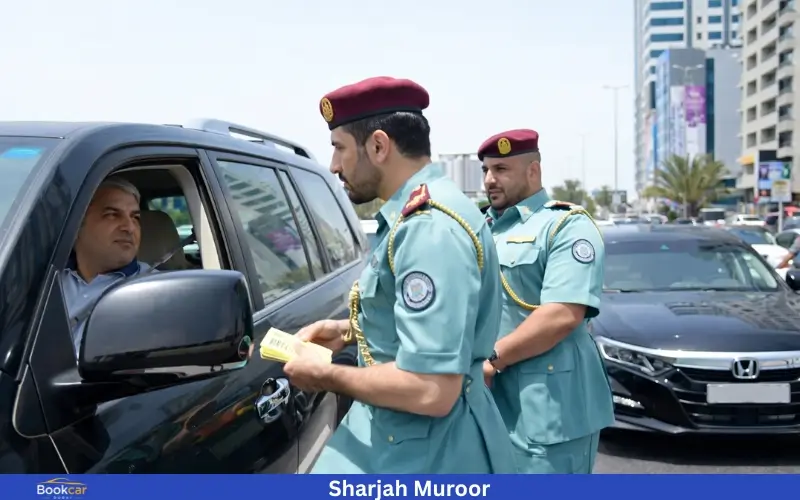
Traffic-related issues are an essential part of everyday life for both residents and owners. From renewals of licenses to filing and penalties, knowing the right details about traffic authorities can help reduce time and eliminate unnecessary trips to the traffic department. Many search on the internet for exact information before going to any traffic department in order to be sure they are following the proper procedure. This guide has been designed to assist residents in understanding the process of traffic services in Sharjah and how procedures are overseen by the authorities and how they can plan their trips efficiently. The clear explanations, the tables and frequent questions covered to make the information simple to comprehend and practical utilize. Understanding the Role of the Traffic Department in Sharjah Traffic departments are accountable for the regulation of road safety, overseeing the documentation of vehicles, issuing driving licenses, as well as enforcing traffic laws. These services directly affect motorists as well as businesses and residents who depend on a smooth and safe transport. Sharjah Traffic and Licensing Department manages a variety of duties, including the registration of vehicles, issuance of licenses and traffic fines management and awareness of road safety. Understanding how these services work will help people avoid confusion and delays. What is sharjah muroor? And what is the significance of it? “Sharjah muroor,” as it is commonly referred to, refers to sharjah muroor is used by Sharjah residents for the licensing and traffic authority that is responsible for car and other driving-related services in Sharjah. This authority plays an integral part in: Issue and renewal of driving licenses Registration of new and used vehicles Handling traffic violations and imposing fines Ensure road safety compliance Understanding how the sharjah muroor works helps drivers make documents in advance and efficiently complete their tasks. Core Services Provided by the Traffic Authority The traffic-related services are designed to assist individuals and businesses. Here are the most commonly used services provided by the department. The most important services are: Renewal and issuance of driving licenses Registration and renewal of vehicles Payment and inquiry about traffic fines Transfer of ownership of the vehicle Report of accident issued Number plate services Each service has its own specific procedure and requirements for documentation, which are outlined in official guidelines. Read Also: Common Traffic Services and Their Purpose Service Type Purpose Driving License Legally authorized to drive Vehicle Registration Documentation of ownership of the vehicle Traffic Fines The enforcement of road rules Accident Reports Legal and insurance use Plate Services Identification of the vehicle This system helps residents find the services they require prior to visiting. What are the reasons people search for Sharjah Muroor location Many of the residents prefer to visit offices for traffic services that require physical or biometric verification. Location searches for Sharjah Muroor typically come from those who wish to verify the exact location before travelling. The offices for traffic are strategically located to provide efficient service to different regions. The correct branch is the one that provides speedier service and prevents redirection. Office Timings and Visit Planning The awareness of timings in the office is vital particularly for those working who must plan their trips around their work schedules. Finds related to sharjah muroor timings reflect the necessity for accurate schedule information. General tips for planning a visit: Be sure to arrive early on peak days. Avoid end-of-month rush Take copies of the original documents as well as copies. Make sure to check online services prior to visiting Effective planning can cut down on waiting times and enhances the overall experience. Office Schedule During the Holy Month In Ramadan the working hours of government offices typically alter. A lot of people search specifically for sharjah’s muroor timings during Ramadan to avoid going outside of the hours of operation. Work hours are reduced to accommodate the fasting schedule while also ensuring that essential services remain accessible. Be sure to check official announcements before you visit during this time is highly advised. Digital Services and Online Alternatives Numerous services related to traffic are accessible on the internet. Digital platforms eliminate the necessity to visit a physical location and also make it easier for residents to get their work done. Services offered online typically comprise: Payment for traffic fines License renewal requests Renewal of registrations for vehicles Booking an appointment Utilizing digital services as often as possible can help avoid delays and improve the speed of processing. Documents Commonly Required for Traffic Services Different services require different documents. Making these documents in advance avoids delay. Service Common Documents License renewal Eye test, ID Registration of vehicles Inspection, insurance Transfer of ownership Sale agreement Fine payment Information about your vehicle’s license or registration Always confirm the requirements of your document prior to visiting. Read Also: Emirates ID Status Check Emirates ID Renewal in UAE Importance of Following Traffic Procedures The regulations for traffic are in place to ensure security and order on the streets. Conformity with the renewal and documentation deadlines helps avoid the issuance of fines and legal concerns. Understanding procedures helps drivers: Avoid late fines Keep valid documents Smooth and complete processes Be legally hygienic Becoming informed can lead to improved road safety and less hassle. Read Also: Al Buhairah Comprehensive Police Station Business and Commercial Vehicle Services Companies that have fleets of commercial vehicles usually have to deal with traffic authorities more often. The proper coordination of traffic services helps ensure business continuity. Commercial services can include: Registration of the fleet Commercial license handling Vehicle inspection scheduling Compliance documentation Record-keeping in a structured manner makes it easier to handle the need for repeated interactions. Challenges Faced by First-Time Visitors Many new residents find the difficult to navigate traffic rules due to the unfamiliar system and requirements for documentation. Clarity in the process helps ease anxiety and avoids repeated trips. Common problems are: Missing documents The incorrect office selection In the peak times, it is best to visit The absence of appointment booking Preparation can
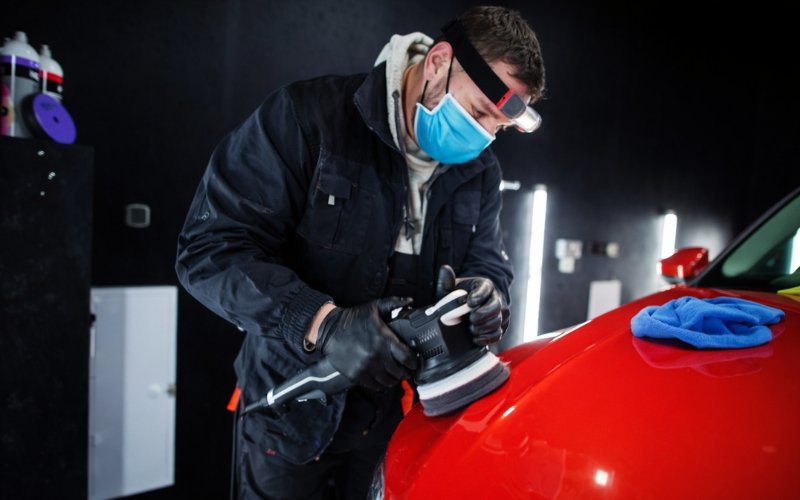
You’ve probably noticed a small dent on your Mercedes that was not there before. It hurts. The Mercedes dent, whether it is from a shopping cart that got loose or a mysterious door ding, can ruin the look of your car. Here’s the good thing: You don’t have to spend a fortune on it or just live with it. Welcome to Mercedes Dent Repair, specifically paintless dent removal. It’s quick, easy, and affordable. Oh yeah, it will look like new! It’s not just about fixing debt. This is about getting your pride and happiness back to showroom conditions without repainting, or spending hours in a bodyshop. Let’s have a chat, shall we? What is Paintless Mercedes Dent Removal? Small dent? It’s a big annoyance. Don’t worry, Paintless Dent Repair Dubai is here to help you and your wallet. This technique is designed to repair dents without damaging the paintwork. Your Benz will remain factory fresh while the dents are removed. It’s also fast, eco-friendly, and cost-effective. What more could a Mercedes-Benz owner ask for? No Filler. No Filler. No Fuss. PDR maintains the original Mercedes paint by gently massaging out dents from the inside. Fast Turnaround PDR can repair most Mercedes dents in just a couple of hours. Your car will be back to its original condition in a blink of an eye. Savings on your money Repair costs are lower when you don’t use expensive paints or materials. PDR is magic, but real. Eco-friendly and budget-friendly. What else could you want? Mercedes Dents: Common Causes and Solutions in Dubai Even if you are careful, Dubai’s roads can be rough on your car. Dents can sneak up on you. The urban jungle, unpredictable parking and traffic and the tightness of the spaces create the perfect storm to cause dents and dings. Even the weather can play a role. Parking Lot Drama Unstable drivers and tight parking spots can cause door dents or bumper bruises. Flying Debris in Highways Rogue stones are attracted to construction zones and highways. Extreme Heat & Sudden Temperature Drops Dubai’s weather can cause metal to expand, and even small impacts may turn into visible dents. Sounds familiar? Yeah, we get it. This is why Mercedes Dent Repair has become such a popular topic. Why choose paintless Mercedes dent repair over traditional methods? The traditional repair is fine… until you discover that your car has been repainted, resprayed and it’s not cheap. PDR allows you to keep the originality of your car and prevents mismatched paint or prolonged downtime. This is a smart option that preserves the value and aesthetics of your Mercedes. Keeps Original Mercedes paint Repainting can lower resale value. PDR does not touch the paint. Faster Turnaround PDR is not a day-long process, but takes only hours. By lunchtime, you’ll be back on the road. Cost-Effective More savings with less materials for your Mercedes Dent Repair. Painless painting is possible. You still get the same flawless Mercedes finish. What is Mercedes Paintless Dent Repair? What is magic? It’s just professional skills, not witchcraft. PDR is a science that is backed up by art. Trained hands and keen eyes work together to restore the curves and contours of your vehicle. Dentists can help you with your dental problems No drilling or damage is done to the factory access points. Special Tools & Techniques Use precision rods and massage gently to remove the dent. Lighting is key Specialized LEDs can show even the slightest imperfections. You’ll find it surprisingly satisfying. It’s even more satisfying when the Mercedes is dent-free, and the paintwork is smooth. What is PDR for Mercedes? Some dents are eligible for insurance, while others may not be. What to look out for is the size, location, and depth of the dent. PDR can work if the metal and paint are not stretched or chipped. No Paint Damage If you have a paint that is intact, then PDR may be the best option for Mercedes Dent Repair. Small to medium Dents Do you have dents on your hood, door dings or trunk creases in your trunk? PDR is a great solution. Shallow Impressions If you have deep creases in the metal or if it is stretched, then you may need to use a different technique. If in doubt, let Mercedes PDR specialists take a look. It’s better to be safe than sorry. Mercedes Models We Cover for Dent Repair Have you got a Mercedes? You’re in good hands. We welcome all models. Our team can handle any vehicle, whether it is your daily commuter car, weekend cruiser or luxury beast. Mercedes C-Class and E-Class PDR is a simple solution to parking lot dent victims. Mercedes G-Wagon We still love to tap on the love. We can also handle them. Mercedes S-Class and AMG Series High-end rides deserve high-end dent removal. We’ll make sure that your Mercedes Dent Repair Service feels like a spa for your vehicle, no matter what the model or year. Is Mercedes Dent Repair Expensive? What’s the short answer? Nope. Not with PDR. When you consider the value and aesthetics of a Mercedes, this is a small cost to pay to maintain your vehicle. Minor Dents (Under 2 inches) AED 300-500 on average. Small bill for a quick fix Medium Dents (2-4 inches) AED 500 to 900, depending on the location and complexity. Multiple Creases or Dents Packages available for better rates–ask for details. PDR is a great way to save money, especially when compared with repainting Mercedes panels. Can You DIY Mercedes Dent Repair? (Spoiler: Not Recommended) All of us have seen the Tikkas, and YouTube hacks. But should you? It’s not worth it unless you have a garage with a bodyshop. You could do more damage with a single slip than you did to the dent. Risk of Paint Damage A hairdryer or plunger used incorrectly can ruin the finish. No Professional Tools PDR tools don’t sell in the mall. Technique? It takes time to develop. Unpredictable Results
This is not a later issue in Dubai driving. This is not one of the issues to delay. The systems are subjected to heat stress and nonstop traffic braking cycles in Dubai-style driving conditions that are punishing the systems on a daily basis. Risk may increase rapidly when the stopping distance is extended, or when emergency braking is unreliable. Most drivers do not pay attention when the traffic will behave abnormally until the brakes fade and overheating silently diminish the control ability especially after several stops. Other people only find out about trouble during the procedure when it comes to the renewal or resale checks, as the process gets halted with the sudden failure by the RTA inspection. He or she s in the middle of the safety zone and the warning signs can be completely hidden at the beginning. That is why it is important to make a timely brake safety check before the damages multiply, the cost increase, and the confidence behind the wheel decline. The following seven red flags cut through the noise and demonstrate when it is time to take action in regards to Car Brake Inspection in Dubai. The reasons why these warning signs cannot be disregarded. Difficulties with brakes do not manifest themselves immediately. They build up silently, one layer after another, until a performance will fail at the moment when it is most needed. The danger of this is that several symptoms that are common in the initial stages become so normal, there is some minor sound, a slight vibration, a change that will vanish following a brief drive. It is the illusion of normalcy that procrastinates. The UAE has driving conditions that hastens wear patterns in a manner that most drivers do not take seriously. Overheating, frequent stalling and go-stop motion condense years of use to months. When an issue starts to seem like it is clearly evident, it is not uncommon to have secondary damage, which makes repairs more than mere adjustments. It is because it is more important to identify patterns than to identify one symptom. The red flags below are not accidental irritating gadgets, but related signals which indicate certain mechanical pressure. Early knowledge helps to put the control back into the hands of the driver since one can make well-informed decisions before safety, time or budget are jeopardized. Sign 1| Squealing, Grinding or Metal-On-Metal Noises. The screaming of high tones or hard grinding sounds will never be considered background noise. They are audible warnings incorporated in the Car Brakes to remind of wear effects before safety falls. A squeal indicator in most occasions is already rubbing on the disc, which is indicative of pad-material being almost worn off. Shake it and the sound varies rapidly, the metal plates supporting it begin to cut through the disc surface. It is there that damaged brake pads and rotor damage start to go. This is followed by deep rotor grooves, observable scoring and excess brake dust, which transforms a minor pad replacement to a bigger repair job. The outcome is an augmentation of NVH (noise/vibration/harshness) and deterioration of stopping control. The further driving at this point only accelerates the wear of brake pads and rotor corrosion hence the next move would always have to be a professional test on the pad thickness, disc and appropriate replacement time before the expenses blow out of proportion. Sign 2| Vibration through Pedal or Steering Under Braking. The vibration that is experienced on the pedal or steering wheel is not random feedback of the road. It is normally a quantifiable mechanical problem that occurs within Car Brakes. The cause of the pulsing feeling can be warped rotors, uneven transfer of the pads, or excessive rotor run out all of which will increase in strength as the condition remains neglected. The problem is not improved by the heat cycles. Unchecked this vibration usually is directed to the development of Worn brake pad and rotor damage, in which contact surfaces are no longer interacting evenly. Other drivers will think it is a case of alignment or suspension, a quick check of the wheel bearing will normally isolate the exact problem in a few hours controlled road-test. Delaying vibration will grow stronger, adding to the distance taken to halt and pushing the costs of repair upwards. Early inspection makes the fix easy, manageable and predictable, by the time the braking comfort and confidence suffer further. Sign 3| Burning Smell, Smoke, Or Braking Weakness after Repeated Stops. The indication of a burning odor or light smoke following heavy-use is very serious, particularly during high-temperature driving. Car Brakes repeated stops may result in heat-soaked rotors and pads being unable to produce friction. This causes the Brake to fade and overheat directly as the stopping power reduces yet the pedal still seems normal. Once the temperatures rise, the drop in the friction coefficient can be felt, the braking force is augmented but without success. This stress is increased by downhill braking and stop-stop driving. Driving in this condition increases the rates of Brake fade and overheating and increases the safety risk in a short time. The right action is to relax, leaving components to cool down, and arrange an examination at once. By ignoring these warnings, one does not burn the issue away, they only make the system less safe by reducing the time frame in which it can operate. Sign 4| Pedal Soft, Travels excessively, or Braking feels unreliable. In cases where the foot-pedal is tender, or sinks all the way in instead of half its usual distance, the trouble is never in mechanical friction, but in hydraulic. The most common cause of a Spongy brake pedal refers to the presence of fluid contaminated with moisture, air in lines or fluid that has overheated and passed its safe boiling point. Under such circumstances, there is no clean transfer of pressure such that response is inconsistent at moderately high speeds. Car Brakes are based on closed hydraulic pressure in order
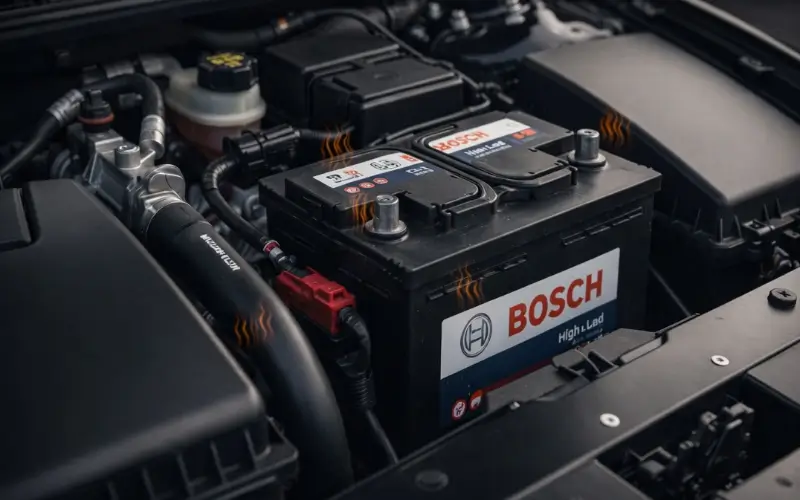
Reliability of cars is crucial to live a normal life in UAE where temperatures can rise to extreme levels and driving conditions are varied. A common problem that drivers are faced with is how cold start temperatures and battery charge impact the performance of their vehicle. Although many consider cold starts to be an issue in winter, knowing the load on your battery and the way that your electrical system deals with starting stress is vital all through the year. This guide will explain the impact of cold starts on the battery of your car and its electric system. It also explains what the term “battery load” signifies, and how you can make sure that your vehicle’s battery is reliable and performs during UAE road conditions. Why Cold Starts and Battery Load Matter A cold start happens when you first start your car after the battery and engine are cool. While the UAE is not subject to cold temperatures as do other countries, temperatures can vary between night and day, and the use of air conditioning can affect battery performance. When you switch the key or press begin, the battery provides an enormous amount of current to start the engine. The surge in demand for electricity is referred to by the term battery load. If the electrical system or battery has a weak connection, then the motor could move slowly or cease to begin. Knowing how battery load affects your car can help ensure that it start-ups and avoids breakdowns. How Batteries Work During Cold Starts In the event of a cold start the battery needs to supply an enormous amount of power to the engine in order to make the engine turn. This puts a lot of stress on the internal components of the battery. A well-functioning battery has robust internal chemical reactions that provide sufficient current without any significant voltage drop. If the battery is old, weak, insufficient, or has low charges, it might struggle to produce the required power. In hot climates such as the UAE batteries may deteriorate more quickly due to loss of internal fluid and wear caused by heat. Be aware of the way your car starts could give you hints about the root of battery problems. What Battery Load Really Means Battery load is the amount of demand for electricity put to the battery during any moment. When the engine is started, it places the greatest load on the battery. The other electrical devices, including headlights, air conditioning and climate control, as well as infotainment and charging ports are also a source of load. If the battery and alternator are not able to keep up with the demand, then the electrical system places additional strain on the battery. This could reduce battery life or cause premature failure. Knowing the load on your battery can help you recognize when components require maintenance or inspection. Signals that your battery is struggling with load Being aware of early warning signs means you are able to take action prior to getting stuck. Be aware of these common signs: Slow engine cranking when starting Dashboard lights flicker or dim. Electronics shut down suddenly. Jump starts are frequently required. There is a strange smell near the battery compartment. If you spot any of these issues, it’s worth having an expert inspect electrical systems and batteries. Regular checks will prevent the possibility of complete failures and will help keep your car running smoothly. Choosing the Right Battery for UAE Conditions The heat of the UAE creates a harsh environment for automobile batteries. Selecting a battery that is designed to withstand high temperatures and a good load handling capability is crucial. You can count on reliable products from trusted brands that provide reliable performance even in extreme heat. For instance, many technicians and drivers have a preference for Bosch car batteries. Bosch car battery in Dubai due to its high performance, durability and ability to handle high electrical loads. The right battery type with the appropriate capacity guarantees the best performance in both the start-up phase and during regular driving. It’s not about just replacing a battery that’s been in use for a while. It’s about choosing a battery that will work with your local conditions and your specific driving requirements. How Professional Diagnostics Help While a lot of drivers can identify obvious problems, a thorough diagnosis requires expertise and the right tools. Professional car mechanics can examine the health of your battery, its charges, connections integrity and alternator performance. They can also test the battery’s capacity, to make sure the electrical system is able to handle everyday needs. This peace of mind can be particularly helpful for those who depend on their car for commutes to work, family travel or for work. Service providers such as Battery Zone UAE offer reliable battery tests and expert advice regarding replacements that are compatible with the requirements of your vehicle. Cold Start Tips for UAE Drivers Here are some practical suggestions to control battery load and increase overall performance: Clean the battery’s terminals Corrosion of terminals increases resistance and also reduces current flow at the time of start-ups. Regular cleaning improves performance. Examine battery health on a regular basis. Make sure to check your battery every couple of months, particularly during the seasons with high temperatures. Avoid excessive idle time. The use of electrical equipment while the engine is not running puts an additional load for the battery. Switch off all unnecessary functions prior to closing the engine. Regularly drive The longer drives enable the alternator to fully recharge the battery completely. Short excursions may not give enough energy, leading to an inexplicably slow discharge over the course of time. Alternator and Battery: How They Work Together The alternator of your car’s engine is charging the battery while the engine is operating. If the alternator malfunctions or is not performing it is necessary for the battery to supply additional power on its own. This causes increased load and lowers the battery’s lifespan