

Cultural identity plays an important influence on communities, fostering relationships, and helping to preserve traditions from generation to generation. In today’s increasingly globalized world there are many who seek effective ways to remain in touch with their roots and share their heritage with other people. This is why the concept of an Arab culture club can be extremely useful. It is an interlude between tradition and contemporary society, providing an organized space in which the arts, language, history and values of society can be cherished and preserved.
Through youth engagement to discussions on academics and poetry nights to traditional meals They promote friendship and mutual respect. All over the world – including the UAE cultural clubs are turning into central points for community engagement and learning. For families, students or professionals or professionals, an Arab culture club provides an organized approach to preserve the identity of the region while encouraging dialog between cultures in a safe and stimulating atmosphere.
What Is an Arab Culture Club?
Arab Culture club is an organized social platform that is dedicated to protecting as well as promoting and showcasing Arab culture, traditions as well as values, language and. It usually operates by organizing events, educational programs as well as workshops and social gatherings that showcase different aspects of Arab culture. The clubs may be found in institutions, community centers or cultural foundations. They can also be independent groups.
The main goal is not just preservation of culture but also to educate and raise awareness. Members are often involved in traditional poetry readings, workshops in art or music performances, as well as discussions on history and social traditions. In multi-cultural environments they act as ambassadors for heritage and offer others the chance to gain an understanding of Arab customs in a systematic and authentic manner. In countries like the UAE Cultural organizations typically cooperate with educational institutions in order to promote participation of youth and to promote awareness of heritage
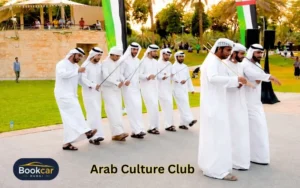
Why Cultural Clubs Matter in Modern Society
Globalization has led to society that is interconnected, but it also has increased the chance of cultural dispersion. Cultural clubs offer a balancing solution, encouraging pride in their heritage and promoting the exchange of ideas in a respectful manner. They help communities maintain their identities without separating them.
An Arab culture club can help strengthen social cohesion through:
- A safe place to express your culture
- Educational programs for younger generations
- Opportunities to network for professionals
- Cultural exchange events that are held with other communities
- Traditional literary and artistic expressions
These benefits extend beyond just members. If they are properly managed, Cultural clubs can contribute to intercultural diversity and national understanding. In contemporary cities, which includes areas of the UAE These clubs assist to keep the peace in society through fostering an organized dialogue and respect for each other.
Core Activities of an Arab Culture Club
The activities of an Arab culture club can vary based on its size and the focus but generally focus on heritage, language and community building. These events are intended to be educational as well as entertaining, making sure that members of all ages have the opportunity to take part.
Common routines include:
- Arabic language classes
- Traditional calligraphy classes
- Nights of storytelling and culture
- Food festivals celebrating the heritage of food
- National Day celebrations
- Youth leadership programs for youth
The programs provide an engaging experience instead of an uninvolved one. Instead of just engaging in discussions about the culture of the participants, they actively participate in it. In the context of universities, cultural clubs usually organize seminars and debates about Arab contributions to philosophy, science and literature. The planned engagement ensures that cultural heritage is active rather than static.
Educational Impact and Youth Development
One of the major advantages to be made by an Arab cultural club’s contribution is the youth empowerment. The younger generation that is living in multi-cultural societies might be unable to reconcile the modern world with traditional values. Cultural clubs offer structured guidance and support that helps build the identity of the person in a positive manner.
Educational programs often involve academic seminars, reading groups and workshops on leadership. These programs aid students in understanding the past contribution of Arab civilizations in fields like astronomy, mathematics, medicine, and architecture. In education hubs such as the UAE numerous institutions promote the culture of engagement in their student growth strategies.
Youth participation builds confidence. Through performing traditional music as well as presenting research and organizing cultural events youngsters improve their leadership and communication abilities. This improves their personal brand and professional preparedness.
Cultural Exchange and Community Integration
Arab culture club doesn’t operate independently. The club mission is often creating bridges between communities. Cultural exchange programs encourage participants from diverse backgrounds to study, share and share in celebrations.
They could also include:
- Intercultural dialogue sessions
- Festivals of the arts and culture that are jointly organized
- Collaboration art exhibitions
- Public lectures are available to all communities
The interactions help to reduce stereotypes and encourage understanding. In diverse societies, organized cultural exchange can contribute to the stability of society over time. The UAE is a well-known country with a multi-cultural population, frequently promotes organized cultural events that encourage inclusion and respectful engagement between different communities.
Organizational Structure and Management
Successful cultural clubs need proper management and organization. Most clubs are run by the structure of a committee that includes a president, coordinator of events, a financial officer, as well as a communication manager. This allows for a seamless planning process and accountability.
Here is a quick description of roles common within the cultural club:
| Role | Responsibility |
| President | Visionary leadership and overall leadership |
| Event Coordinator | The planning of cultural activities |
| Finance Officer | Budget and management of funding |
| Media Coordinator | Communications and promotions |
| Volunteer Lead | Community engagement |
A clear structure can help ensure the transparency of your organization and ensure its long-term viability. The funding can come from sponsorships, memberships or grants or even institutional partnerships. A proper governance system ensures that initiatives in the field of culture remain professional and consistent.
The Role of Technology in Modern Cultural Clubs
Digital platforms have revolutionized the way cultural institutions operate. Nowadays the Arab culture club has the ability to reach a global audience through the internet, online workshops and online discussions forums. The digital platform lets heritage be shared far beyond the physical boundaries.
Digital calligraphy classes online heritage walks are becoming more well-liked. Social media platforms can also enable clubs to show off their events, distribute informative content and connect with younger audiences efficiently. Digital archives store recordings of lectures and performances for the next generations.
By combining traditional values and the latest technology, cultural organizations remain relevant and easily accessible. The flexibility of the clubs ensures growth over time and more participation.
Economic and Social Benefits
Cultural organizations not only contribute financially but also socially. Festivals and heritage events help local artisans, artists as well as small companies. Traditional clothing makers, food sellers as well as musicians are benefited by the organized gatherings of culture.
Additionally the structured programming of cultural events increases tourist attraction. People are generally attracted by authentic experiences that speak to the past and culture. In countries like the UAE the cultural activities are a key element in promoting national identity while also welcoming a global audience.
Beyond the economy, the social impact of cultural clubs is important. Cultural clubs can reduce loneliness particularly for expatriates who want to connect. They establish networks that provide emotional support, opportunities for professional growth as well as lifelong friendships.

Challenges Facing Cultural Clubs Today
However, despite their significance, culture organizations are not without problems. The lack of funds, the burnout of volunteers and a declining interest from youth can hamper development. In order to remain authentic while adjusting to changing trends takes an attentive plan.
Another problem is the balance between inclusion and preservation of culture. Clubs have to remain open to visitors while preserving the values of their past. A clear mission statement and well-organized programs help to maintain this balance.
A sustainable development of leadership is crucial. New leaders’ training ensures stability and stops stagnation. If managed properly, problems can be used to create opportunities for growth and creativity.
The Future of Arab Culture Clubs
The future of an Arab culture club is contingent on its ability to adapt, inclusiveness and a strategic approach. As societies expand their horizons cultural institutions will play an increasingly crucial role in preserving the identity of their communities while encouraging integration. Growing youth programs, creating international partnerships, and using digital platforms are essential to ensure long-term achievement.
In countries like the UAE, cultural initiatives are becoming increasingly integrated into social and education policies, which has led to an institutional foundation to preserve heritage. By combining tradition with modernity, cultural organizations can stay relevant in a rapidly changing world. The future generation of managers will determine the way these organizations develop and ensure that the heritage of the past is not only recognized but is actually used. With a proper organization, community support and a forward-thinking leader Cultural groups will be able to promote confidence, unity and respect for other cultures for a long time to come.
Read Also: Sheikh Zayed Road Dubai
Conclusion
Arab Culture club offers much more than just a social gathering place. It’s a formal place to safeguard tradition, language, art and a sense of identity for the entire community in the face of a constantly changing world. Through education as well as community engagement and exchange of culture they help build the confidence of individuals and also contribute to a harmonious society. In environments with a diverse population such as the UAE their function gets more crucial. In combining tradition with new ideas Cultural clubs help ensure that cultural heritage stays alive and important. Being a part of and supporting these groups not only contributes to personal growth, but also greater social cohesion and understanding.
Read Also: Mazyad Mall Abu Dhabi
Frequently Asked Questions
What is the reason for the purpose of the Arab cultural club?
The principal goal is to protect and encourage Arab heritage and culture, language, customs and values by organizing educational and cultural events.
Who is eligible to be a member of an Arab cultural club?
The majority of clubs are open to professionals, students or families as well as anyone who is interested in understanding Arab culture, irrespective of their backgrounds.
Are there cultural clubs operating across the UAE?
Yes it is true that the UAE has a number of cultural initiatives to promote cultural preservation as well as intercultural interaction.
What kinds of activities are usually planned?
Workshops on language are offered and traditional art workshops and food festivals, as well as workshops, and community gatherings.
How do cultural clubs benefit youth?
They offer leadership opportunities, education support as well as a greater feeling of belonging and confidence.
Are cultural clubs able to collaborate internationally?
Yes, many clubs have partnerships with global organizations, and also use digital platforms to broaden their reach and exchange of culture.
Read Also: Lighting Shops Dubai