
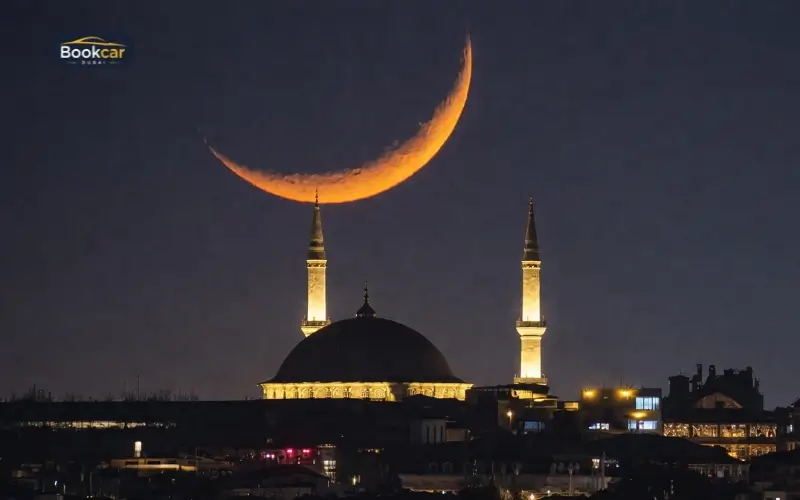

The start of Ramadan in UAE.
In the United Arab Emirates, Ramadan 2026 started officially on Wednesday, February 18, 2026. On February 17, 2026, the evening before, the UAE Moon-Sighting Committee convened at Qasr Al Hosn, Abu Dhabi. The crescent moon was later observed and successfully spotted.
This confirmation was followed by the UAE Presidency Diwan on which it was declared that the first day of the holy month would be on February 18. The leadership paid warm greetings to the people of the UAE and the rest of the Arab and Islamic world.
UAE Leadership Official Announcement.
President His Highness Sheikh Mohamed bin Zayed Al Nahyan offered congratulations to the country and termed Ramadan to be a month of goodness, generosity and social solidarity. He wished the region and the whole world peace, stability, and blessings.
Ruler of Dubai, his Highness Sheikh Mohammed bin Rashid al Maktoum also sent Ramadan greetings. He has elaborated that this holy month was a unifying period with family, empathetic, spiritual, and bonding time.
Their messages emphasize the spiritual and social value of Ramadan in UAE society.
Ramadan Beginning in Gulf Countries.
Decision making in terms of moon sighting in different countries might differ in few ways since every country adheres to its own official committee.
Saudi Arabia had observed the crescent moon on February 18, 2026 and confirmed the onset of Ramadan.
Qatar officially released a statement that the first day of Ramadan is on February 18.
February 18 was also declared by Kuwait as the beginning of the holy month.
Bahrain and other countries affirmed that the first day of fasting was on February 18.
It was announced that Ramadan will start on Thursday, February 19, 2026, as the crescent was not seen on February 17 in Oman.
These deviations are natural, and they are caused by independent viewing of the moon.
Ramadan 2026 Prayer Schedule 2026 UAE.
This prayer schedule is formed using UAE timings. This could have slight variations depending on the city.
First 10 Days of Ramadan (1–10)
| Day | Date | Imsak | Fajr | Sunrise | Dhuhr | Asr | Maghrib | Isha |
| 1 | 18/02/2026 | 5:24 AM | 5:34 AM | 6:48 AM | 12:36 PM | 3:50 PM | 6:18 PM | 7:32 PM |
| 2 | 19/02/2026 | 5:23 AM | 5:33 AM | 6:47 AM | 12:35 PM | 3:50 PM | 6:19 PM | 7:33 PM |
| 3 | 20/02/2026 | 5:22 AM | 5:32 AM | 6:46 AM | 12:35 PM | 3:50 PM | 6:19 PM | 7:33 PM |
| 4 | 21/02/2026 | 5:21 AM | 5:31 AM | 6:45 AM | 12:35 PM | 3:51 PM | 6:20 PM | 7:34 PM |
| 5 | 22/02/2026 | 5:21 AM | 5:31 AM | 6:45 AM | 12:35 PM | 3:51 PM | 6:20 PM | 7:34 PM |
| 6 | 23/02/2026 | 5:20 AM | 5:30 AM | 6:44 AM | 12:35 PM | 3:51 PM | 6:21 PM | 7:35 PM |
| 7 | 24/02/2026 | 5:19 AM | 5:29 AM | 6:43 AM | 12:35 PM | 3:51 PM | 6:21 PM | 7:35 PM |
| 8 | 25/02/2026 | 5:18 AM | 5:28 AM | 6:42 AM | 12:35 PM | 3:52 PM | 6:22 PM | 7:36 PM |
| 9 | 26/02/2026 | 5:17 AM | 5:27 AM | 6:41 AM | 12:35 PM | 3:52 PM | 6:22 PM | 7:36 PM |
| 10 | 27/02/2026 | 5:17 AM | 5:27 AM | 6:40 AM | 12:34 PM | 3:52 PM | 6:23 PM | 7:37 PM |
Days 11–20 of Ramadan
| Day | Date | Imsak | Fajr | Sunrise | Dhuhr | Asr | Maghrib | Isha |
| 11 | 28/02/2026 | 5:16 AM | 5:26 AM | 6:39 AM | 12:34 PM | 3:52 PM | 6:24 PM | 7:37 PM |
| 12 | 01/03/2026 | 5:15 AM | 5:25 AM | 6:38 AM | 12:34 PM | 3:53 PM | 6:24 PM | 7:38 PM |
| 13 | 02/03/2026 | 5:14 AM | 5:24 AM | 6:37 AM | 12:34 PM | 3:53 PM | 6:25 PM | 7:38 PM |
| 14 | 03/03/2026 | 5:13 AM | 5:23 AM | 6:36 AM | 12:34 PM | 3:53 PM | 6:25 PM | 7:39 PM |
| 15 | 04/03/2026 | 5:12 AM | 5:22 AM | 6:35 AM | 12:33 PM | 3:53 PM | 6:26 PM | 7:39 PM |
| 16 | 05/03/2026 | 5:11 AM | 5:21 AM | 6:34 AM | 12:33 PM | 3:53 PM | 6:26 PM | 7:40 PM |
| 17 | 06/03/2026 | 5:10 AM | 5:20 AM | 6:34 AM | 12:33 PM | 3:53 PM | 6:27 PM | 7:40 PM |
| 18 | 07/03/2026 | 5:09 AM | 5:19 AM | 6:33 AM | 12:33 PM | 3:53 PM | 6:27 PM | 7:41 PM |
| 19 | 08/03/2026 | 5:08 AM | 5:18 AM | 6:32 AM | 12:32 PM | 3:53 PM | 6:28 PM | 7:41 PM |
| 20 | 09/03/2026 | 5:07 AM | 5:17 AM | 6:31 AM | 12:32 PM | 3:54 PM | 6:28 PM | 7:42 PM |
Last 10 Days of Ramadan (21–30)
| Day | Date | Imsak | Fajr | Sunrise | Dhuhr | Asr | Maghrib | Isha |
| 21 | 10/03/2026 | 5:06 AM | 5:16 AM | 6:30 AM | 12:32 PM | 3:54 PM | 6:29 PM | 7:42 PM |
| 22 | 11/03/2026 | 5:05 AM | 5:15 AM | 6:29 AM | 12:32 PM | 3:54 PM | 6:29 PM | 7:43 PM |
| 23 | 12/03/2026 | 5:04 AM | 5:14 AM | 6:28 AM | 12:31 PM | 3:54 PM | 6:30 PM | 7:43 PM |
| 24 | 13/03/2026 | 5:03 AM | 5:13 AM | 6:27 AM | 12:31 PM | 3:54 PM | 6:30 PM | 7:44 PM |
| 25 | 14/03/2026 | 5:02 AM | 5:12 AM | 6:26 AM | 12:31 PM | 3:54 PM | 6:31 PM | 7:44 PM |
| 26 | 15/03/2026 | 5:01 AM | 5:11 AM | 6:25 AM | 12:31 PM | 3:54 PM | 6:31 PM | 7:45 PM |
| 27 | 16/03/2026 | 5:00 AM | 5:10 AM | 6:24 AM | 12:30 PM | 3:54 PM | 6:31 PM | 7:45 PM |
| 28 | 17/03/2026 | 4:59 AM | 5:09 AM | 6:23 AM | 12:30 PM | 3:54 PM | 6:32 PM | 7:46 PM |
| 29 | 18/03/2026 | 4:58 AM | 5:08 AM | 6:21 AM | 12:30 PM | 3:54 PM | 6:32 PM | 7:46 PM |
| 30 | 19/03/2026 | 4:57 AM | 5:07 AM | 6:20 AM | 12:29 PM | 3:54 PM |
What is Ramadan?
The ninth month of the Islamic calendar is Ramadan. It is a holy month that is celebrated by Muslims worldwide. This month, the Muslims fast throughout the day until evening.
Islamic calendar is based on the moon phases. Due to this, the Ramadan changes about 10 or 11 days in the Gregorian calendar every year.
Muslims suppose that during Ramadan the Holy Quran was being revealed to Prophet Muhammad (PBUH) by Angel Jibreel. This is why this month is very spiritual.
Ramadan lasts ten days, the last of which is the most sacred. One of them is called Laylat Al Qadr, the Night of Power, and is considered to be the most holy night of the year.
What is the meaning of Muslims fasting during Ramadan?
Among the Five Pillars of Islam, fasting in the month of Ramadan is a part of it. These are the pillars of the Islamic faith and practice. They are faith declaration, daily prayers, charity, Makkah pilgrimage and fasting during Ramadan.
Fasting does not simply mean not eating and drinking. It is also of self control, discipline and spiritual development. Between Fajr and Maghrib, Muslims do not eat, drink, smoke, and have relations with their wives.
Fasting is done to gain patience, faith and compassion towards the needy.
Suhoor and Iftar Explained
The breakfast is known as Suhoor. It is consumed prior to the Fajr prayer. Suhoor provides the energy to the day of fasting.
At sunset, the fast is broken by means of Iftar. Muslims are known to open their fast with water and dates. It is a practice taking place according to the Sunnah of Prophet Muhammad (PBUH).
Families tend to eat more and more after Maghrib prayer. Most hotels and restaurants in the UAE have special Iftar and Suhoor parties during Ramadan.
Do Ramadan Dates change each year?
No, not every year does Ramadan start on the same Gregorian day. The onset of it is based on the appearance of the crescent moon.
In the UAE, the actual beginning of Ramadan is established by the official Moon-Sighting Committee of the country through physical observation.
UAE Ramadan in the Workplace.
In the UAE, the working hours are shortened during Ramadan. Employees are given reduced working hours, both Muslim and non-Muslim.
The working hours of the public sector office are usually 9.00 am to 2.00pm. The timings on the part of the private sector might differ, although they should correspond to the regulations of the UAE labor laws.
Is it possible to involve Non-Muslims in Ramadan?
Non-Muslims are not too fast. Nevertheless, lots of them are engaged in the activities of Ramadan as a sign of respect and belonging.
During fasting, one cannot eat, drink, or smoke in the open in the UAE. Restaurants work under covered or after sunset.
Most of the non-Muslims attend Iftar parties and greet each other with Eid greetings like Ramadan Mubarak or Ramadan Kareem.
Who Is Exempt from Fasting?
The Islam offers exemptions on those who are not medically fit.
The persons who can be excepted are:
Individuals having severe medical conditions.
Breastfeeding or pregnant women.
Elderly individuals
Travelers
People with chronic illness
The people who are unable to fast because of the incurable disease can make Fidya, it is a charity contribution to feed a needy person.
Ramadan and Medical Attention.
When observed properly, fasting has health benefits. It can enhance the metabolism and promote healthier eating patterns.
Nonetheless, individuals with diabetes or medical conditions need to seek a doctor to advise them on fasting first. Low blood sugar or dehydration are some of the complications that need medical advice to prevent.
Islam does not dictate that one should be fast when this could put their health at risk.
What Happens After Ramadan?
Ramadan is concluded on the sight of the Shawwal moon. The succeeding celebration is referred to as Eid Al Fitr.
Eid Al Fitr is a three day celebration that is accompanied by special prayers, charity, family visiting, and festive meals.
Read Also: Sheikh Zayed Road
Key Islamic Terms Deciphered.
The last ten days of the month of Ramadan are known as the Night of Power, Laylat Al Qadr.
The obligatory charity of Muslims is called Zakat.
Hajj is an annual pilgrimage to Makkah which is among the Five Pillars of Islam.
Wudhu refers to the cleansing done before prayer.
Frequently Asked Questions
When did Ramadan 2026 start in the UAE?
This Ramadan beg an on Wednesday, February 18, 2026.
Why was Oman late beginning by a day?
Oman failed to see the crescent on 17 February and 30 days of Shaaban were completed.
Is there a fixed date of Ramadan?
No. Ramadan changes 10 or so days earlier each Gregorian year.
What are Suhoor and Iftar?
Suhoor is the pre-dawn meal. The evening meal is called Iftar, which is used to break the fast.
Who is exempt from fasting?
The invalid, the elderly, passengers, pregnant women, and sick people with medical conditions may not be exempt.