
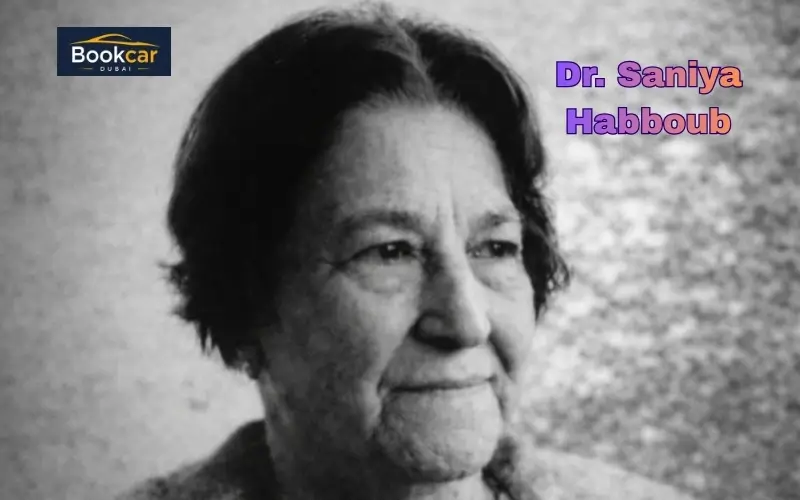

Dr. Saniya Habboub Purpose and Service of Life
Medicine is not just a career; it’s a lifetime responsibility that requires discipline, empathy and resilience. Some people leave a lasting impact not because they are well-known, but because their dedication to progress and service is so deep. Dr. Saniya Habboub is a person whose journey shows perseverance, growth as a professional, and an impact on healthcare. This narrative explores her medical background, journey, professional philosophy and long-term influence through a structured and factual narrative that is reader-focused and designed to meet real search intentions while maintaining editorial credibility.
| Categories | Details |
| Full Name | Dr. Saniya Habboub |
| Background | Middle East |
| Family Influence | Supportive and focused on education |
| Medical Education | Trainees in regionally recognized institutions |
| Professional Role | Doctors with Community Engagement |
| Areas of focus | Women’s Health, Child Wellbeing, Community Care |
| Professional Challenges | How to navigate traditional and professional expectations |
| Contribution | Patient-centered medical care is encouraged |
| Recognition | Recognized for commitment to health service |
The Biography Of Dr. Saniya Habboub
The story of Dr. Saniya Habboub begins within a cultural environment where education was respected, yet professional advancement–particularly in demanding scientific fields–required persistence and clarity of purpose. She showed a keen interest in both science and the wellbeing of humans from an early age, which would define her career.
Her decision to study medicine was not based on a conventional career path. It was based on a sense of responsibility and service. It takes more than academic excellence to be a medical student. You need emotional strength, adaptability and the ability to work under pressure. Her early years of academic study were marked by rigorous research, clinical observation and real-world challenges. These experiences helped her to develop a better understanding of patient care.
Early Education and Academic Foundation
The medical training period is a crucial one for doctors, as it shapes their ethical and clinical judgement. She was exposed to an intensive curriculum that focused on anatomy, diagnostics and pathology.
Clinical rotations were crucial. They went beyond textbooks and exams. These experiences provided direct exposure to real patient environments where theoretical knowledge could be tested in the context of actual conditions. This phase was when she developed an approach to medicine that is both accurate and empathic.
Her academic journey reinforced the importance for structured diagnosis, evidence-based decisions, and continual learning. Later, these principles would become the foundational elements of professional approach.
Clinical Training and Practical Experience
The transition from student into practitioner is marked by clinical training. This is the time when responsibility increases, and theoretical knowledge becomes decision-making capability. She gained experience in a variety of patient situations, conditions and healthcare environments.
This phase focused on precision, patient safety, and ethical responsibility. It also reinforced the importance of communication–ensuring patients understand their conditions, options, and treatment plans without confusion or fear.
Her experience improved her ability to manage urgent cases, work in multidisciplinary teams and collaborate with specialists.
Professional Practice and Medical Philosophies
Every physician develops a unique professional philosophy over time. In her case the focus was always on clarity, respect for patients, and structured care. Instead of rushing through consultations, the focus was on understanding medical histories, lifestyle factors, patient concerns, and other aspects.
The following is a strong clinical approach:
- Detailed assessment before diagnosis
- Clarification of findings
- Treatment planning that is realistic and practical
- Ethics without unnecessary procedures
This model improves patient adherence and builds long-term trust.
Communication and Trust-Building with Patients
Communication is key to delivering effective healthcare. Medical terminology is often overwhelming and unclear explanations can lead to anxiety. The ability of a physician to translate complicated information into a language that is understandable and accessible is regarded as a crucial skill.
Professional practice placed emphasis on making sure patients feel heard and not rushed. This allowed patients to ask questions, learn about expectations and participate actively in their healthcare decisions.
Credentials alone cannot build trust. Consistency, honesty and transparency are required to establish it.
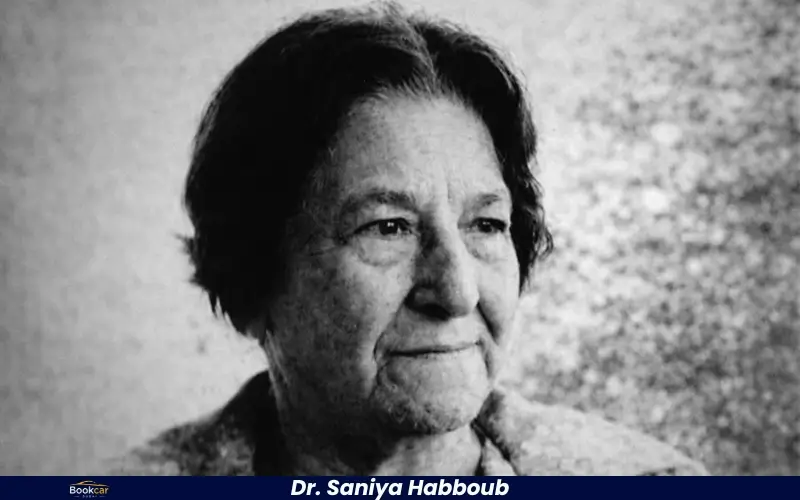
Ethical Standards & Professional Responsibility
The foundation of any sustainable medical practice is ethics. Standards such as patient confidentiality, informed consent and respect for autonomy cannot be negotiable. These principles must be strictly adhered to in order for care decisions to remain evidence-based and patient-focused.
Maintaining ethics integrity means also avoiding unnecessary interventions, and putting the wellbeing of patients ahead of external pressures. This discipline increases credibility and strengthens professional reputation over the long term.
Prevention and long-term health awareness
In modern healthcare, prevention is more important than reaction. Early consultations, regular assessments and health education can reduce long-term complications.
Encouragement to seek help before symptoms worsen promotes a healthier community and reduces strain on the system. Prevention awareness empowers patients with the knowledge to make informed decisions about their lifestyle and health.
Working in a Multicultural Healthcare Environment
It is important to be sensitive and flexible when providing medical care in diverse cultural environments. Differential language, health beliefs and expectations can influence the way patients respond to treatment plans and perceive care.
Understanding these differences allows healthcare professionals to adjust communication styles to foster inclusive environments. Cultural awareness improves patient relationships, and treatment compliance is improved in regions such as the UAE where healthcare delivery is based on diversity.
Consultation Experience & Patient Expectations
Structured consultations improve efficiency and boost patient confidence. Clarity at each stage, from the initial discussion to planning for follow-up, reduces uncertainty.
Consultation processes typically include:
- Review of symptoms and medical histories
- Discussion of Diagnostic Findings
- Treatment options explained
- Follow-up and next steps clearly explained
This ensures that patients are informed and not confused.
How to Prepare for a Medical Consultation
The preparation is key to a productive consultation. Patients who prepare information in advance help doctors provide better guidance.
Prepare yourself by:
- List symptoms and concerns
- Bring previous medical records
- Notes on current medications
- Prepare questions in advance
This method increases efficiency and ensures that important details aren’t overlooked.
Healthcare Environment and Clinical Standards
The clinical setting has a significant impact on patient comfort and confidence. Professionalism and safety are reflected in clean facilities, well-organized systems, and properly trained staff.
Well-maintained healthcare environments support infection control, operational efficiency and patient trust. These factors influence the overall experience of care.
Read Also: Asma Hamza
Professional Influence and the Long-Term Impact
The standards that medical professionals set in their practice are just as important as the individual consultations. Consistency, ethics, and patient-centered care influence peers, influencing healthcare expectations.
As time passes, these practices will contribute to a stronger patient relationship and more sustainable healthcare outcomes.
Why personalization is important in medical care
There are no two identical patients or medical histories. Personalized care recognizes this and adapts treatment methods accordingly.
Care becomes more effective and durable when lifestyle, medical history, and personal preferences are considered. Personalization increases satisfaction, adherence and long-term monitoring of health.
Conclusion:
Dr. Saniya Habboub professional journey reflects her dedication, responsibility and commitment to patient-centered care. Her approach is aligned with modern expectations in healthcare through structured consultations and ethical practice.
Understanding the background and philosophy of a doctor helps patients make confident decisions. Professionals who combine knowledge and empathy in an ever-changing healthcare environment continue to provide meaningful medical care.
Related Article: Al Zahra Hospital Dubai Sheikh Zayed Road
FAQs
Who is Dr. Saniya Habboub?
She is a highly-regarded medical professional who has a patient-focused, structured approach to healthcare.
What is her medical approach defined by?
Communication, ethics, prevention, and personalized care plans.
Is preventive care encouraged?
Yes. Early consultation and prevention is considered to be essential for effective healthcare.
Communication is important in medicine.
Clarity in explanations can reduce anxiety and improve understanding. They also increase treatment compliance.
What are the benefits of structured consultations for patients?
They are confident, clear, and have a good understanding of the next steps.